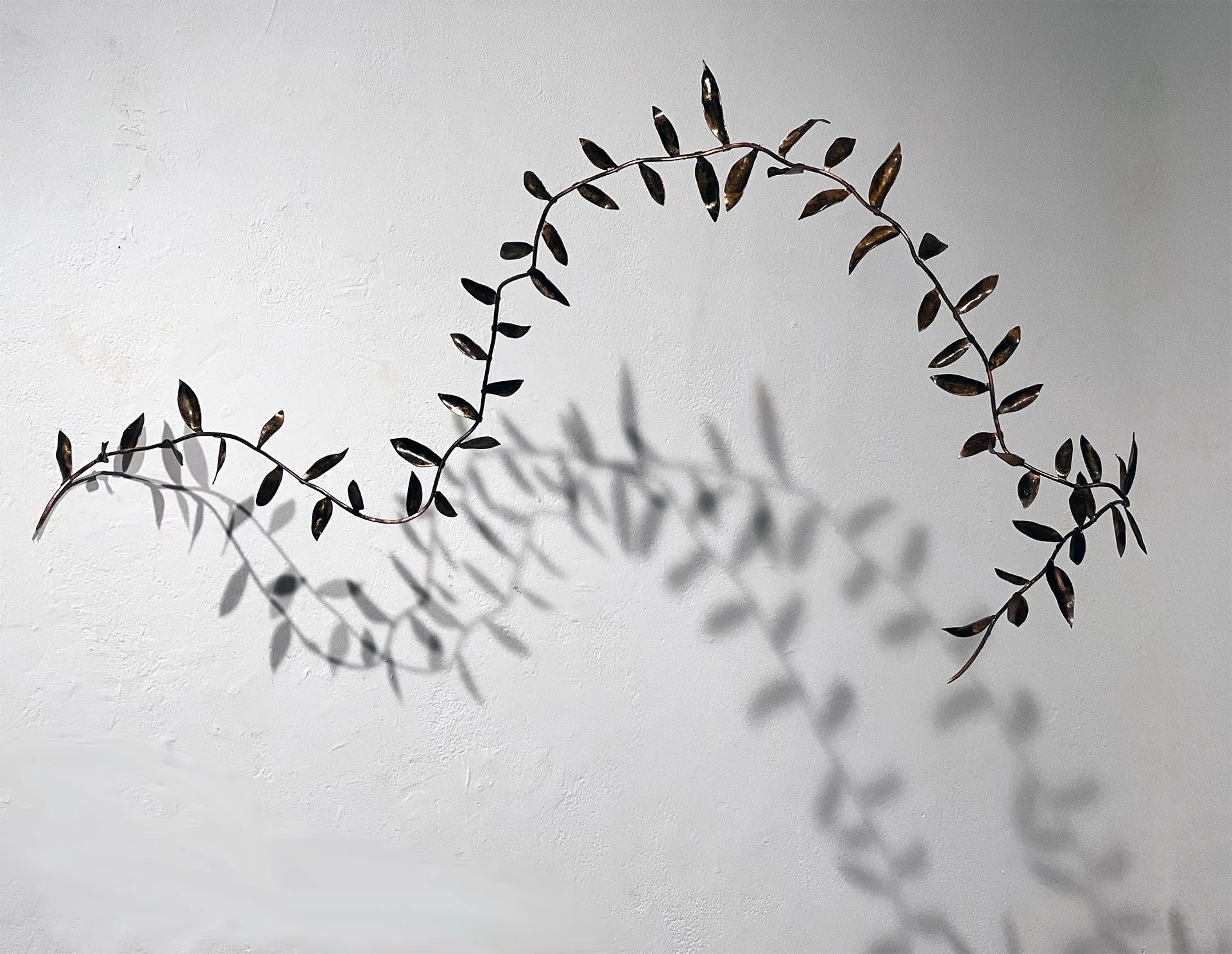
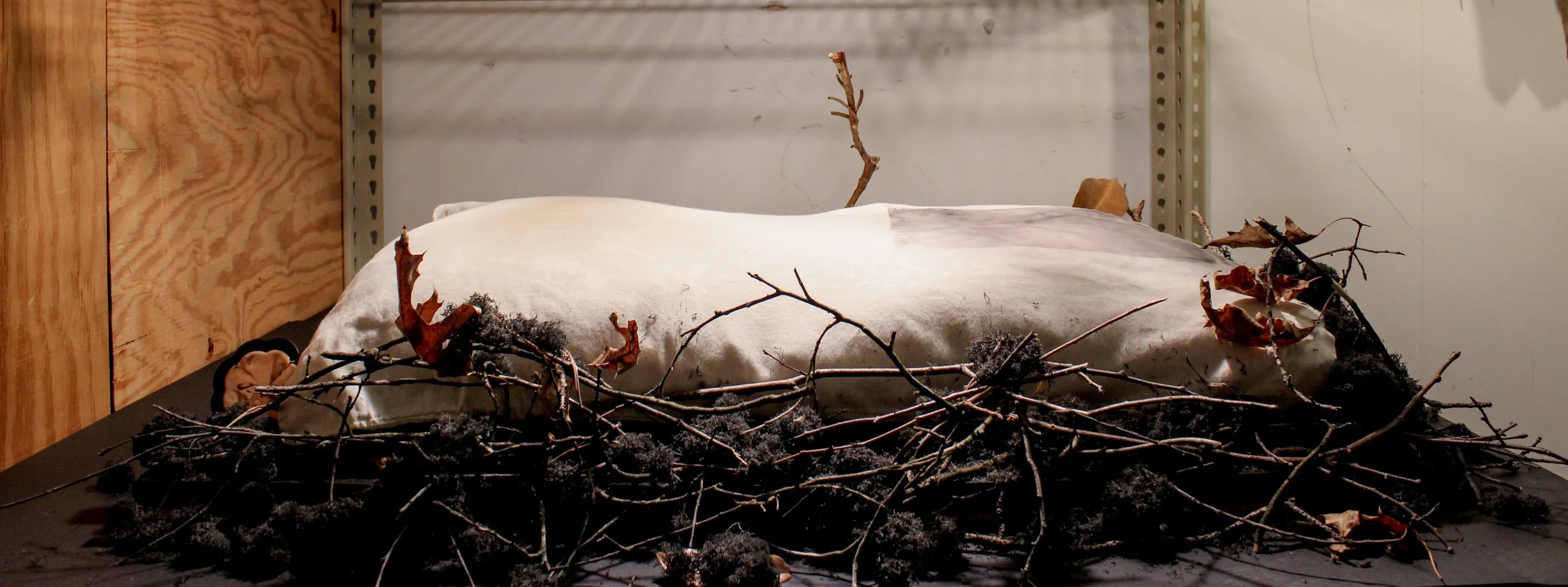
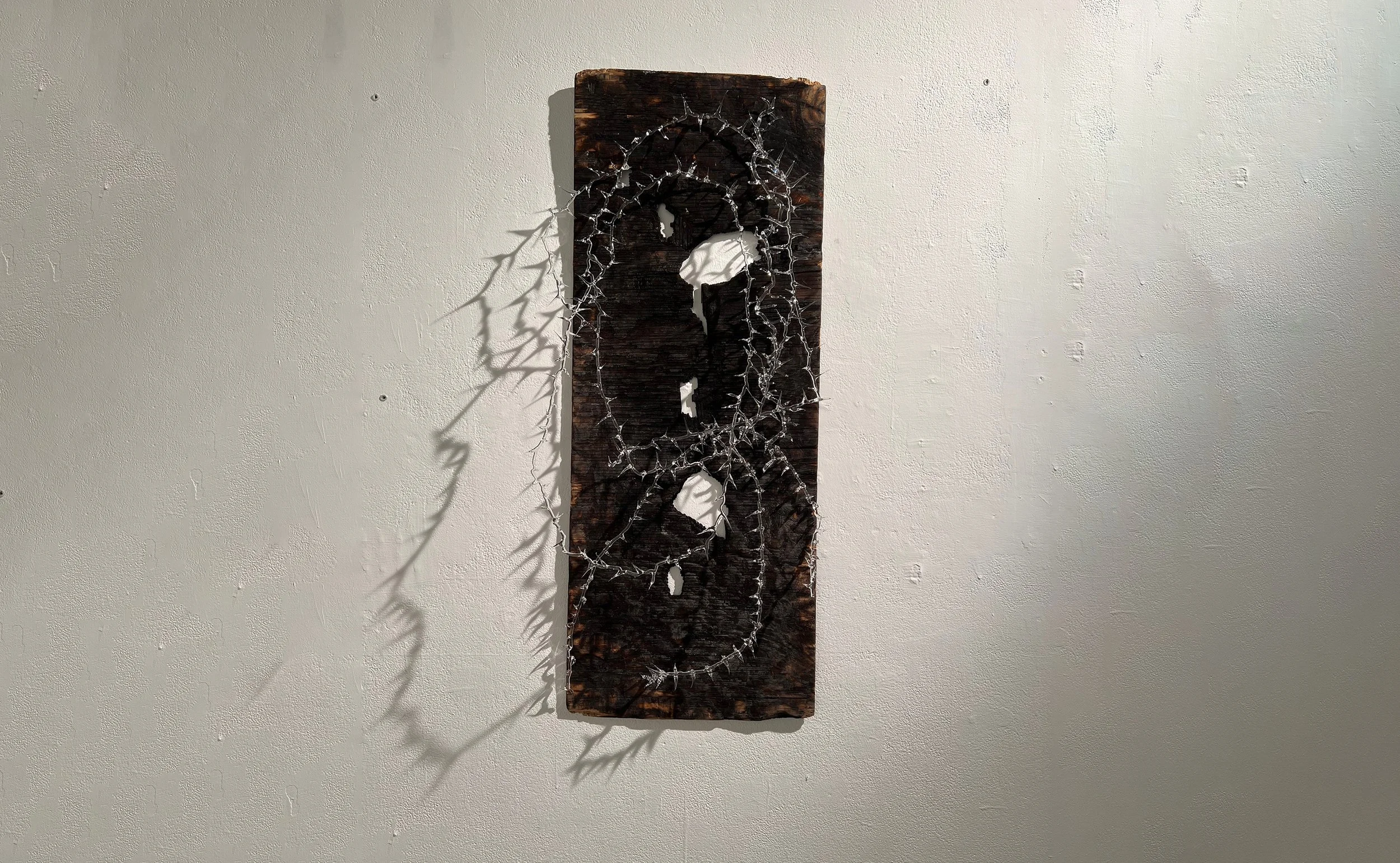
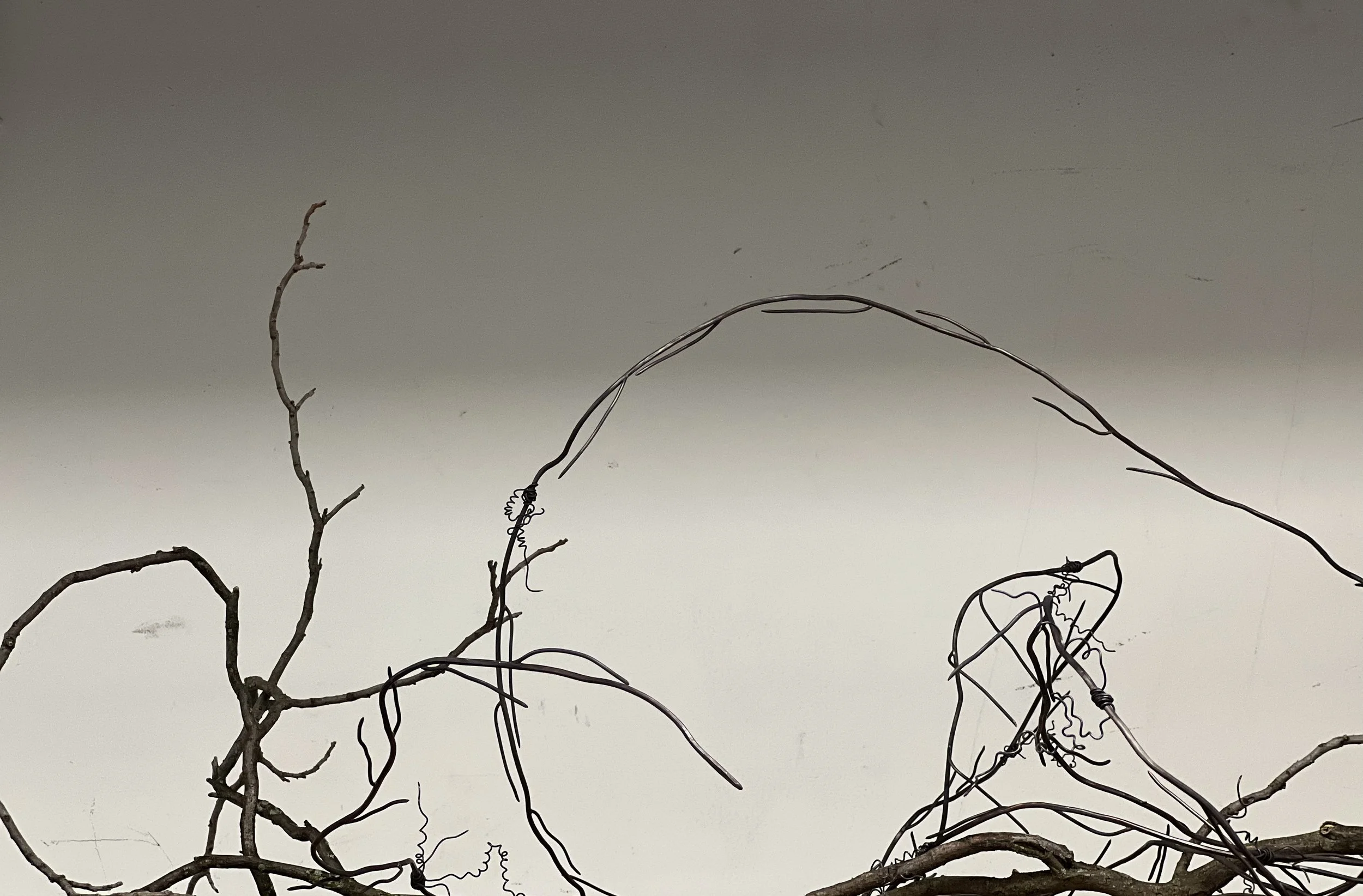
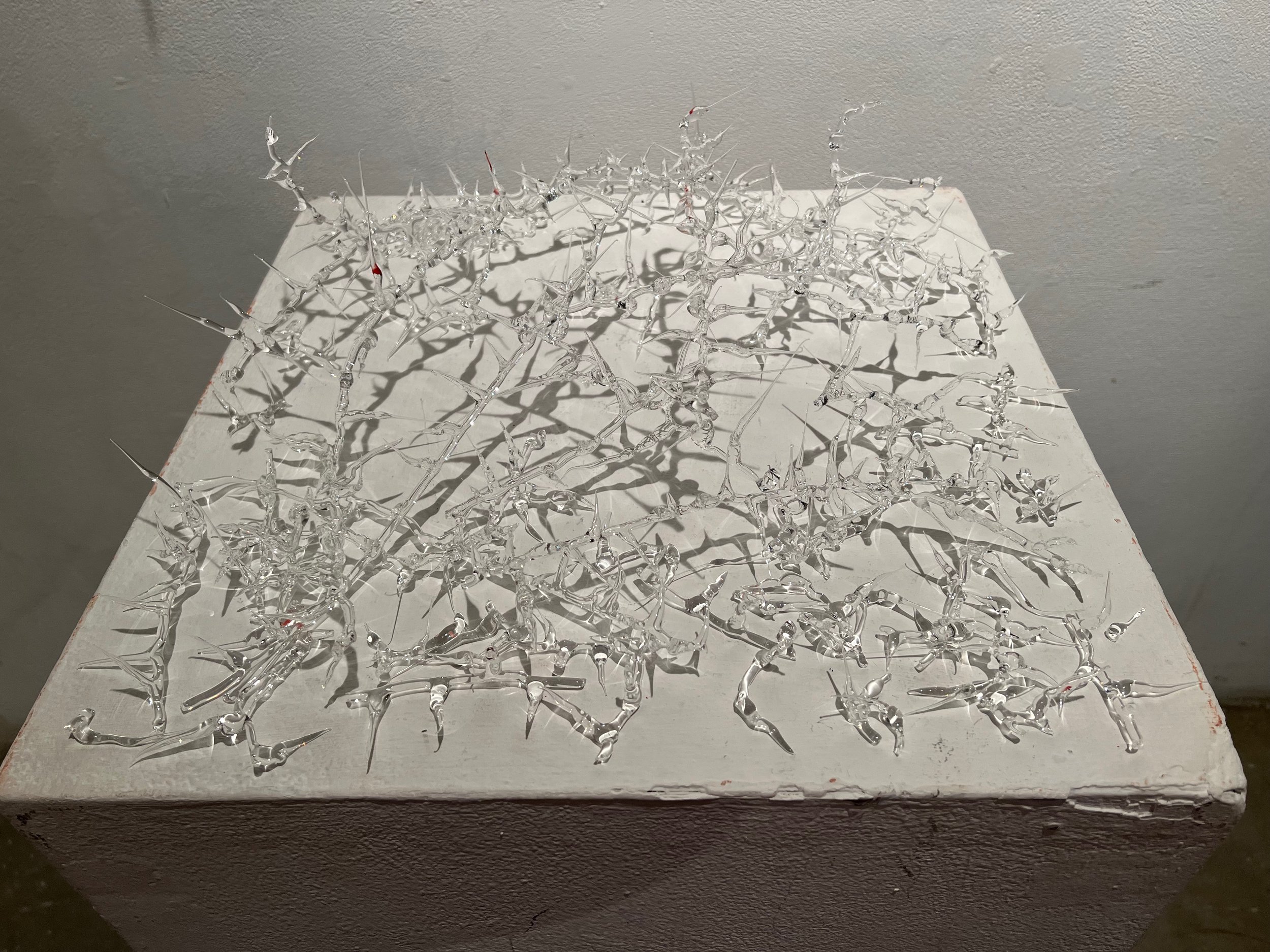
The Living Room Installation
Before funeral homes and the institutionalization of death, the dead were kept at home.
A body might lie in the parlor — the same room where a family gathered, received visitors, and lived together. Death was not elsewhere. It was present within the domestic space, witnessed and tended to by the living.
At some point, even the name began to change. The term living room was popularized in the early twentieth century, notably through Ladies’ Home Journal, as a more inviting alternative to parlor — a word increasingly associated with the room where the dead were laid out. The new language helped separate the space of everyday life from the rituals and realities of death.
The transformation was more than architectural. It reflected a larger cultural shift: death moved out of the home, out of the hands of families, and into specialized institutions. What had once been an intimate and visible part of domestic life became something increasingly managed, hidden, and encountered elsewhere.
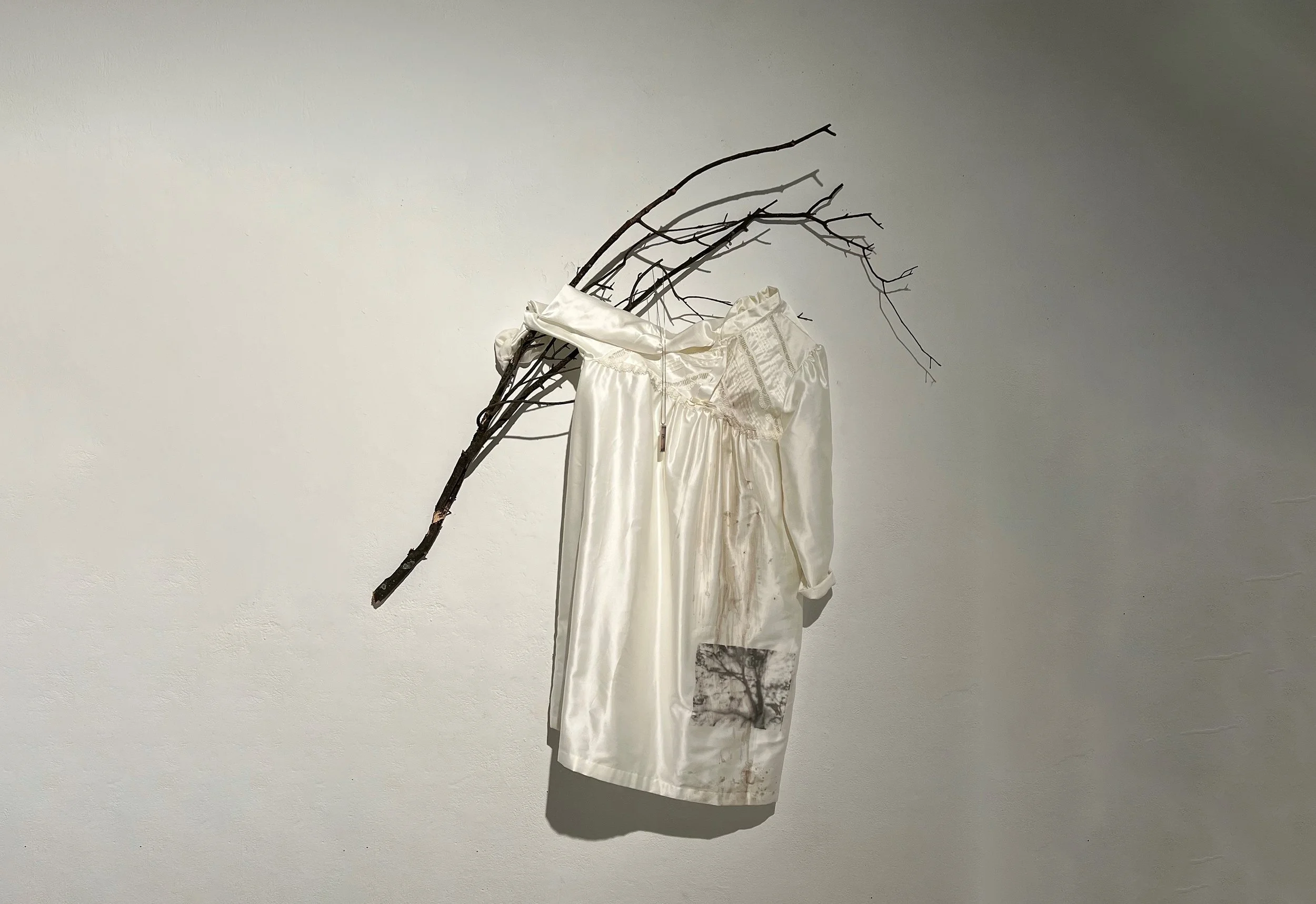
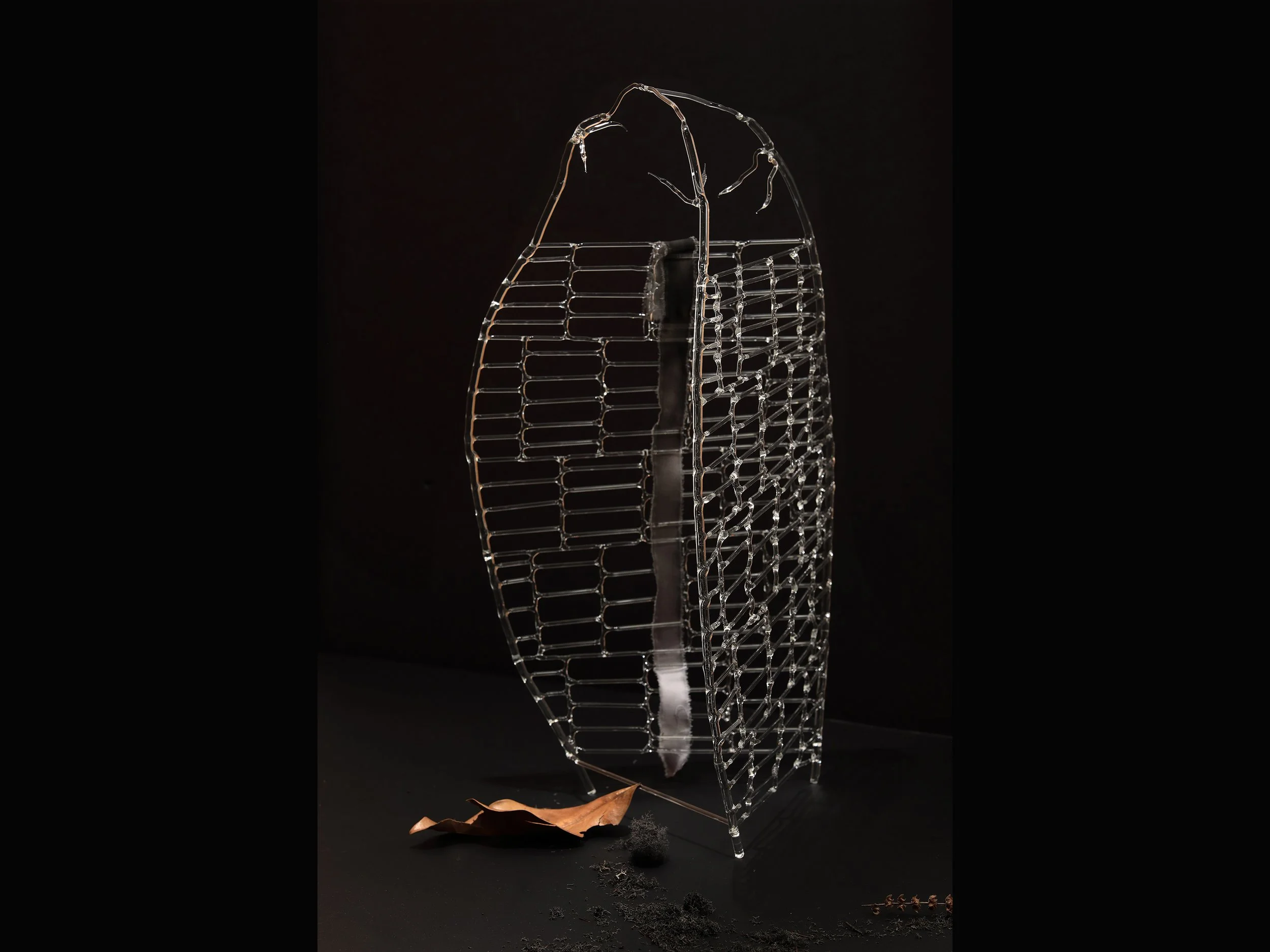
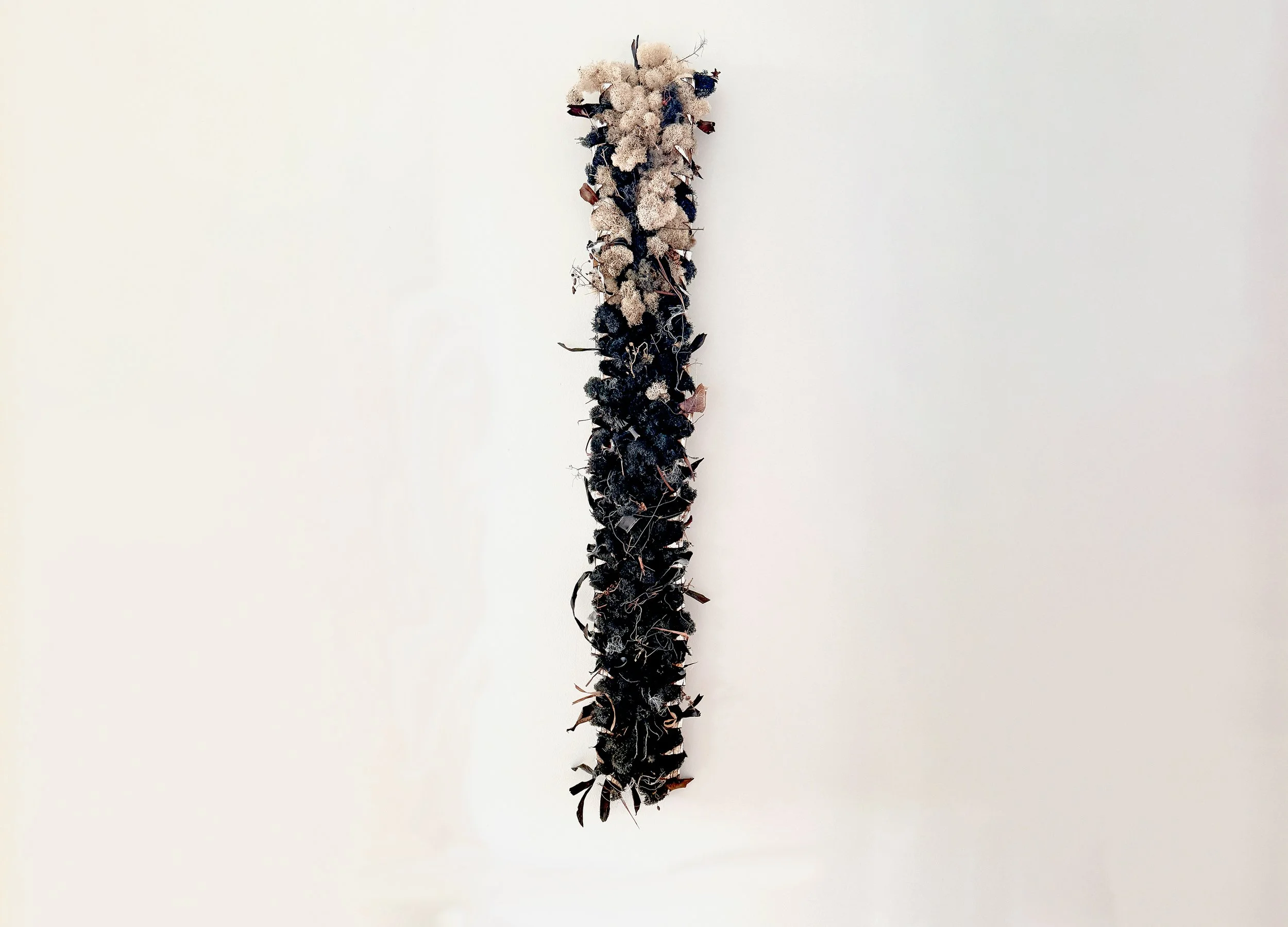
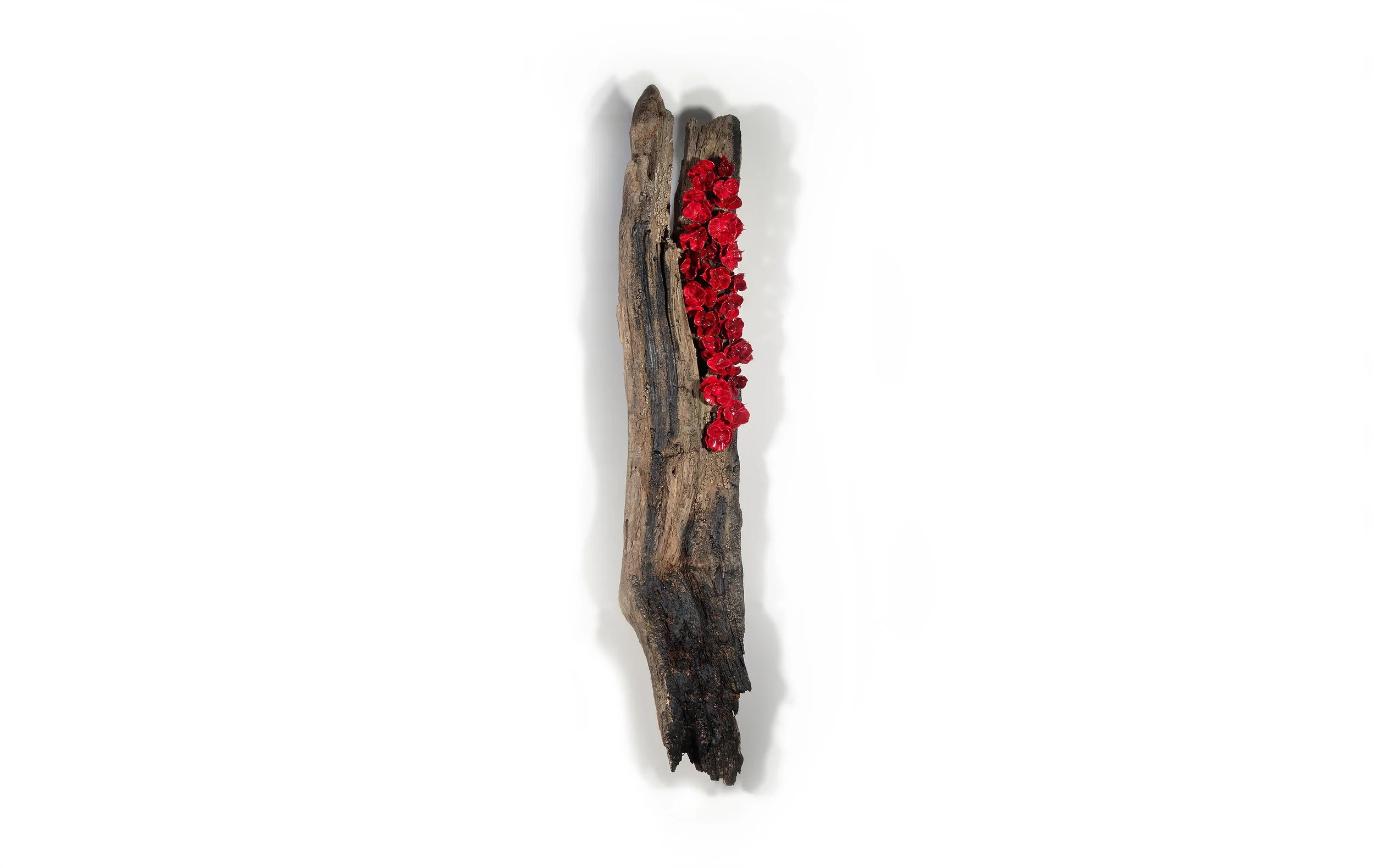
This installation returns to the living room as a site of that separation. It asks what happens when a space designed for living is made to hold death again — and what we have lost, or perhaps gained, by teaching ourselves not to see it.